
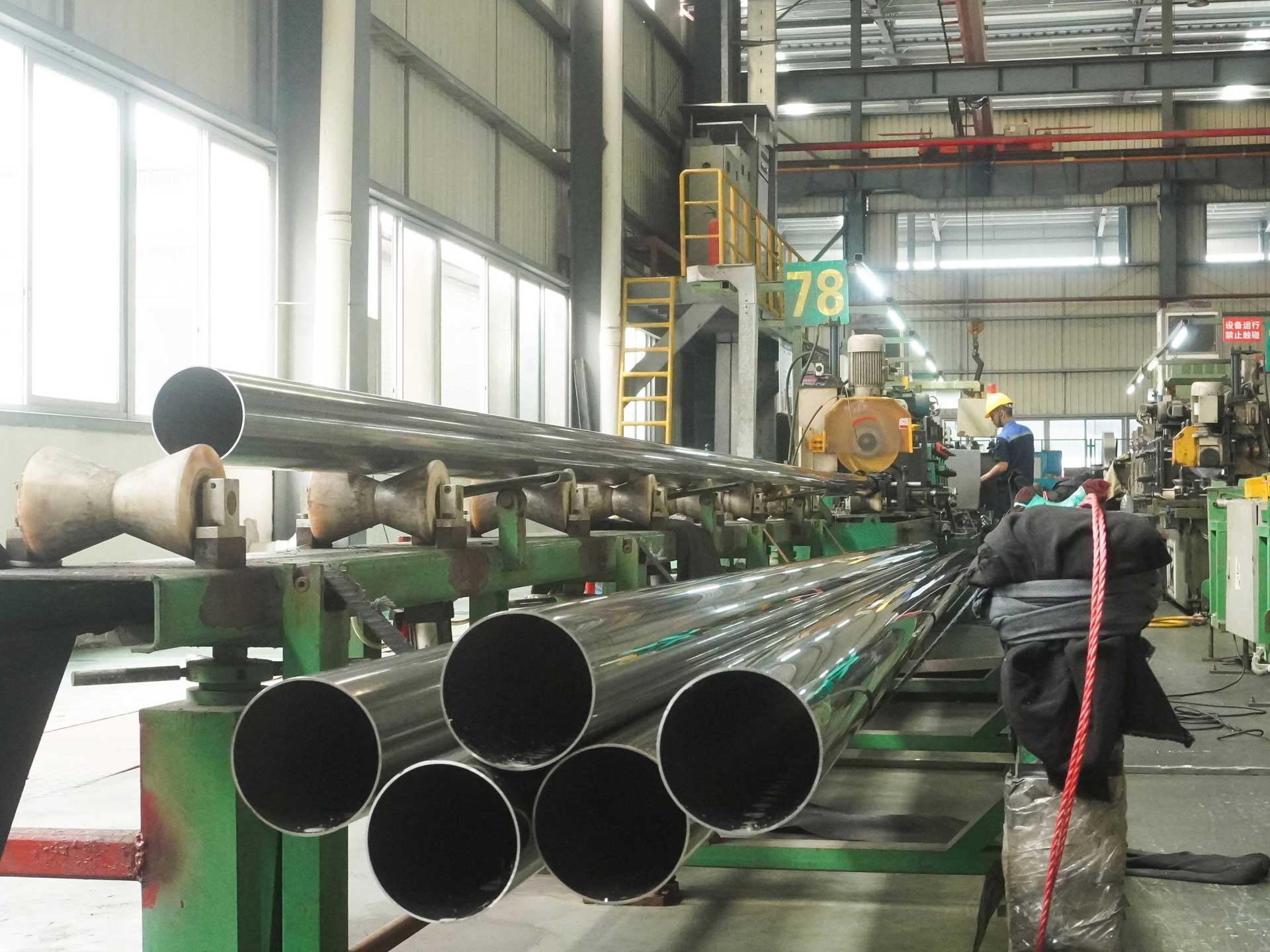
I. Core Purpose: Restoring the "As-Manufactured" State
Solution annealing aims to heat the stainless steel tube to a high temperature, allowing alloying elements (particularly chromium and carbon) to fully and uniformly re-dissolve into the austenite matrix. This homogeneous single-phase state is then "locked in" by rapid cooling (typically water quenching). This essentially resets the material to its optimal initial microstructure.
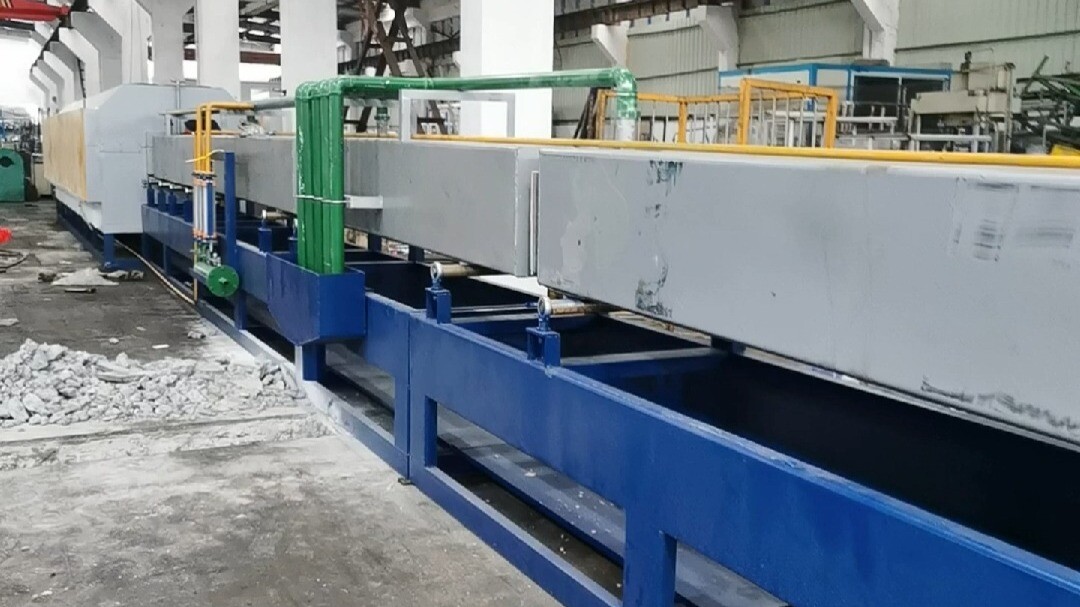
II. Specific Roles and Objectives
1. Eliminate Work Hardening, Restore Ductility and Toughness
Problem: Cold working during tube manufacturing (e.g., cold rolling, drawing, bending) causes severe work hardening, increasing the tube's strength and hardness while drastically reducing its plasticity and toughness, making further processing (e.g., bending, flaring) difficult.
Solution: Solution annealing completely eliminates the effects of work hardening through recrystallization, refines the grain structure, and significantly restores the material's ductility and toughness, facilitating subsequent forming and installation.
2. Maximize Corrosion Resistance (The Most Critical Role)
Problems:
Carbide Precipitation: In the 450°C-850°C range (e.g., during slow cooling or in the weld heat-affected zone), carbon can combine with chromium to form chromium carbides (Cr₂₃C₆) at grain boundaries, leading to chromium depletion nearby and causing intergranular corrosion.
Sigma Phase Precipitation: In some high-alloy duplex or austenitic steels, prolonged exposure to intermediate temperatures can form hard and brittle sigma phase, impairing toughness and reducing corrosion resistance.
Solution: Solution annealing (heating above 1000°C) completely dissolves any precipitated carbides and sigma phase, and rapid cooling prevents their re-precipitation. This:
Eliminates susceptibility to intergranular corrosion.
Restores the uniform distribution of all alloying elements (especially chromium) in the matrix,重建重建 a complete and uniform passive film.
3. Homogenize Microstructure and Chemical Composition
Problem: Casting or hot working can lead to microstructural inhomogeneity or chemical segregation.
Solution: High-temperature diffusion promotes uniform element distribution, resulting in a single, homogeneous austenitic structure (for austenitic steels), ensuring consistent performance.
4. Relieve Residual Stresses
Problem: Cold working and welding introduce detrimental residual stresses, which can lead to stress corrosion cracking (SCC) or cause distortion during service.
Solution: Solution treatment effectively relieves the majority of residual stresses, reducing the risk of stress corrosion cracking.
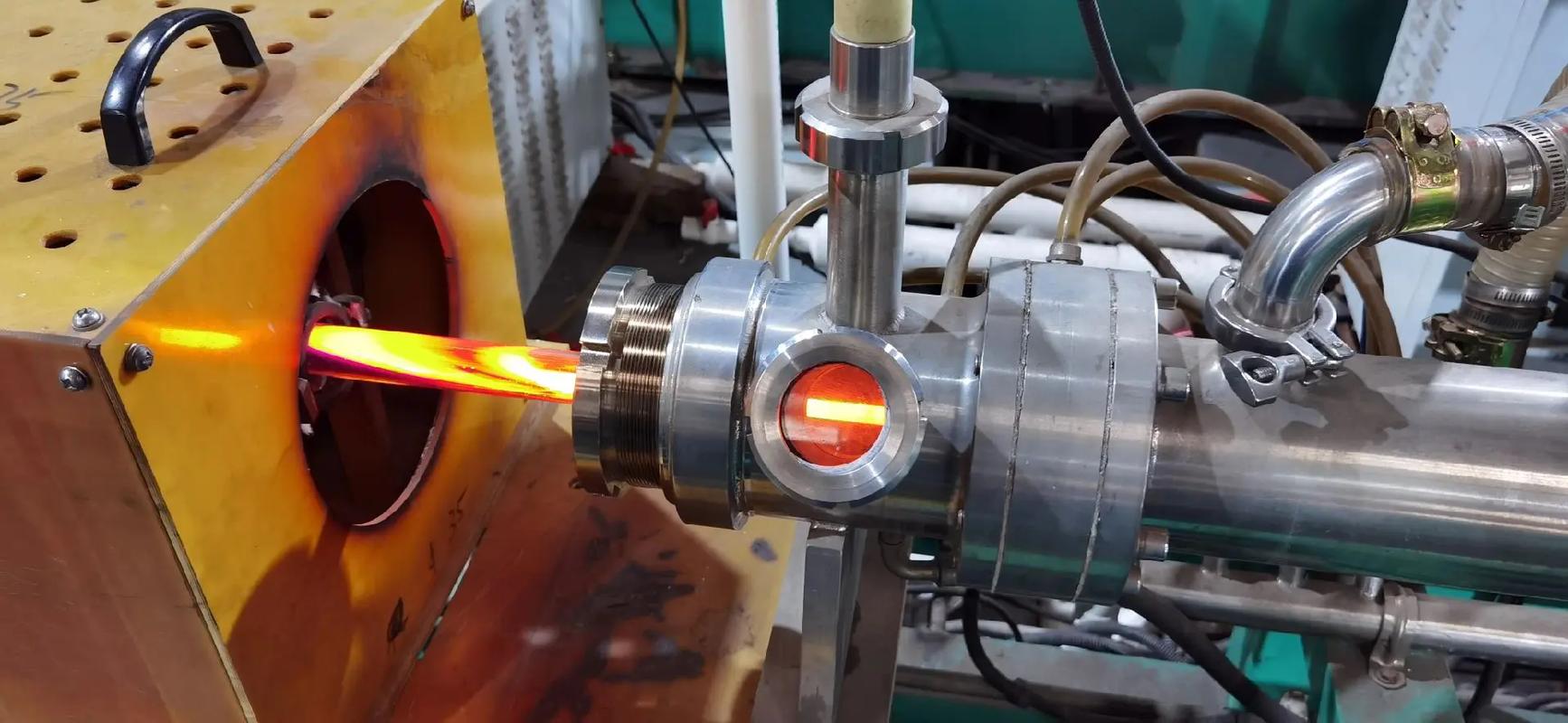
III. Which Stainless Steel Tubes Require Solution Annealing?
Cold-Worked Austenitic Stainless Steel Tubes: Virtually all cold-worked/hardened austenitic stainless steel tubes must undergo solution annealing before final use to restore corrosion resistance and ductility. This is a standard industrial practice.
Welded Tube Seam Areas: For applications with extremely high corrosion resistance requirements, welded tubes may require full solution annealing to negate the adverse effects in the weld heat-affected zone.
Duplex Stainless Steel Tubes: For duplex steels (e.g., 2205), solution annealing (followed by rapid cooling) is an essential step to obtain the ideal ~50/50 austenite-ferrite phase balance and ensure superior properties.
Tubes for Severe Service Environments: Tubes intended for use in highly corrosive media, high temperatures, or environments prone to stress corrosion are often solution annealed to ensure optimal condition, even if not cold-worked.
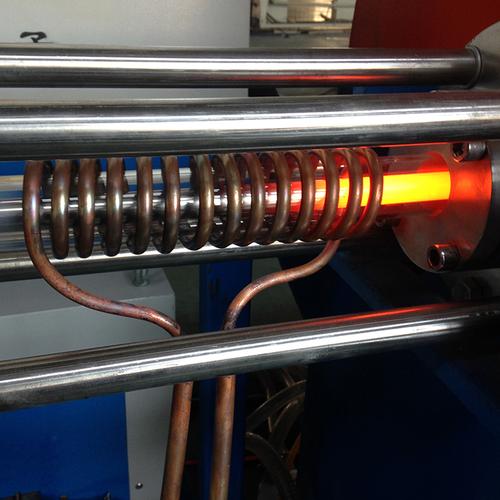
IV. Key Process Parameters
Temperature: Typically well above the carbide dissolution temperature. For example:
304/304L: 1040-1150°C
316/316L: 1040-1150°C
Duplex Steel 2205: 1020-1100°C
Soaking Time: Ensures thorough heating throughout the tube wall thickness, allowing complete carbide dissolution. Time depends on wall thickness.
Cooling: Rapid cooling (water quenching) is mandatory. This is the essence of solution annealing, intended to "freeze" the high-temperature homogeneous state and prevent re-precipitation of carbides during cooling. Insufficient cooling rate (e.g., air cooling) renders the treatment ineffective and can even worsen sensitization.
RECENT NEWS
Online Message