
News
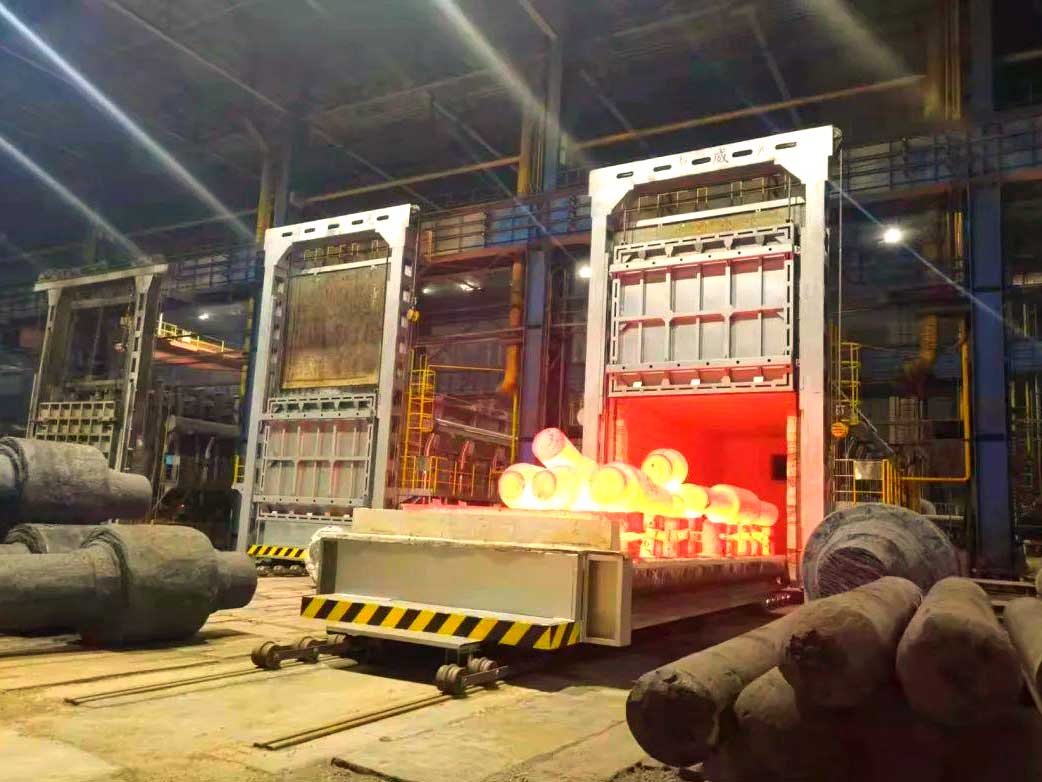
I. Process Overview & Comparison
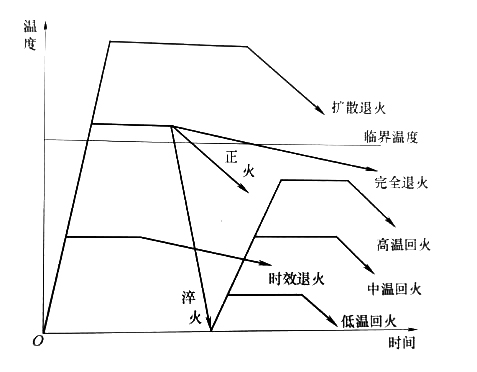
II. Detailed Process Breakdown
1. Annealing
Analogy: "Reset to factory settings." Allows the steel to "forget" prior processing history and return to a soft, uniform state.
Key Steps: Heat to a suitable temperature, hold for sufficient time, then shut off the furnace and let the workpiece cool slowly inside.
Primary Applications:
Reduce hardness for improved machinability.
Eliminate chemical segregation and internal stresses in cast, forged, or welded parts.
Prepare the microstructure for subsequent hardening (quenching).
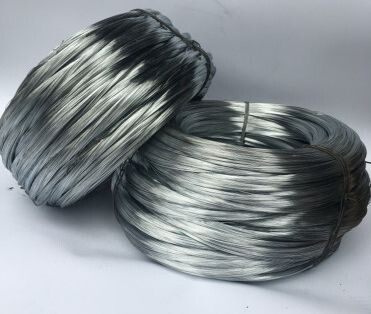
2. Normalizing
Analogy: "Physical conditioning." Faster cooling than annealing refines and homogenizes the structure for better base properties.
Key Steps: Heat to a temperature slightly higher than for annealing, hold, then remove from the furnace and cool in still air.
Primary Applications:
Final heat treatment for low/medium-carbon steels, providing better mechanical properties than annealing.
Eliminate cementite networks in hypereutectoid steels, preparing them for spheroidizing or quenching.
Improve the coarse or non-uniform structure of forgings and castings.
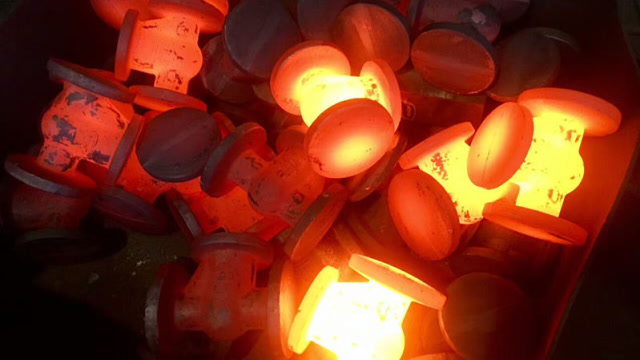
3. Quenching
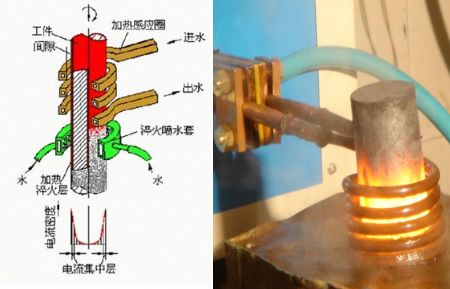
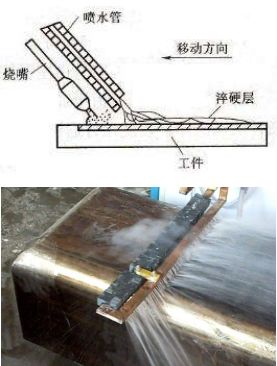
Analogy: "Flash freezing." Rapid cooling "freezes" the high-temperature microstructure, forming extremely hard martensite.
Key Steps: Heat above the critical temperature, hold, then rapidly immerse into a quenching medium like water, oil, or salt bath.
Critical Requirement: The cooling rate must exceed the steel's critical cooling rate to form martensite.
Primary Application: Parts requiring high hardness and wear resistance (e.g., cutting tools, dies, bearings, gears). Tempering must immediately follow quenching.
4. Tempering
Analogy: "Tempering (moderating)." Moderates the "harsh" nature of quenched steel, imparting toughness while retaining hardness.
Key Steps: Reheat the quenched steel to a temperature well below the critical point (A₁) (typically 150°C–650°C), hold, then cool.
Types & Effects:
Low-Temperature Tempering (150–250°C): Relieves some stress, retains high hardness, slightly increases toughness. Used for cutting tools, measuring instruments.
Medium-Temperature Tempering (350–500°C): Achieves high elastic limit and toughness. Used for springs, die forgings.
High-Temperature Tempering (500–650°C): Achieves a good combination of strength, ductility, and toughness. The resulting structure is "Tempered Sorbite." Quenching + High-Temperature Tempering is collectively called "Tempering Treatment" (or "QT"), the final heat treatment for many critical structural components (e.g., shafts, connecting rods).
III. Summary of Relationships & Typical Workflow
Annealing & Normalizing: Often serve as preliminary heat treatments, preparing the material for final machining or subsequent quenching.
Quenching & Tempering: Are inseparable twin processes. Quenching provides high hardness; tempering determines the final usable properties. A quenched part is too brittle for use without tempering.
Typical Workflow Sequence:
Raw Material → (Annealing/Normalizing) → Rough Machining → Quenching → Tempering → Finish Machining → Finished Part.
Quenching & Tempering (QT Treatment): The most important method for achieving excellent comprehensive mechanical properties.
RECENT NEWS
Online Message